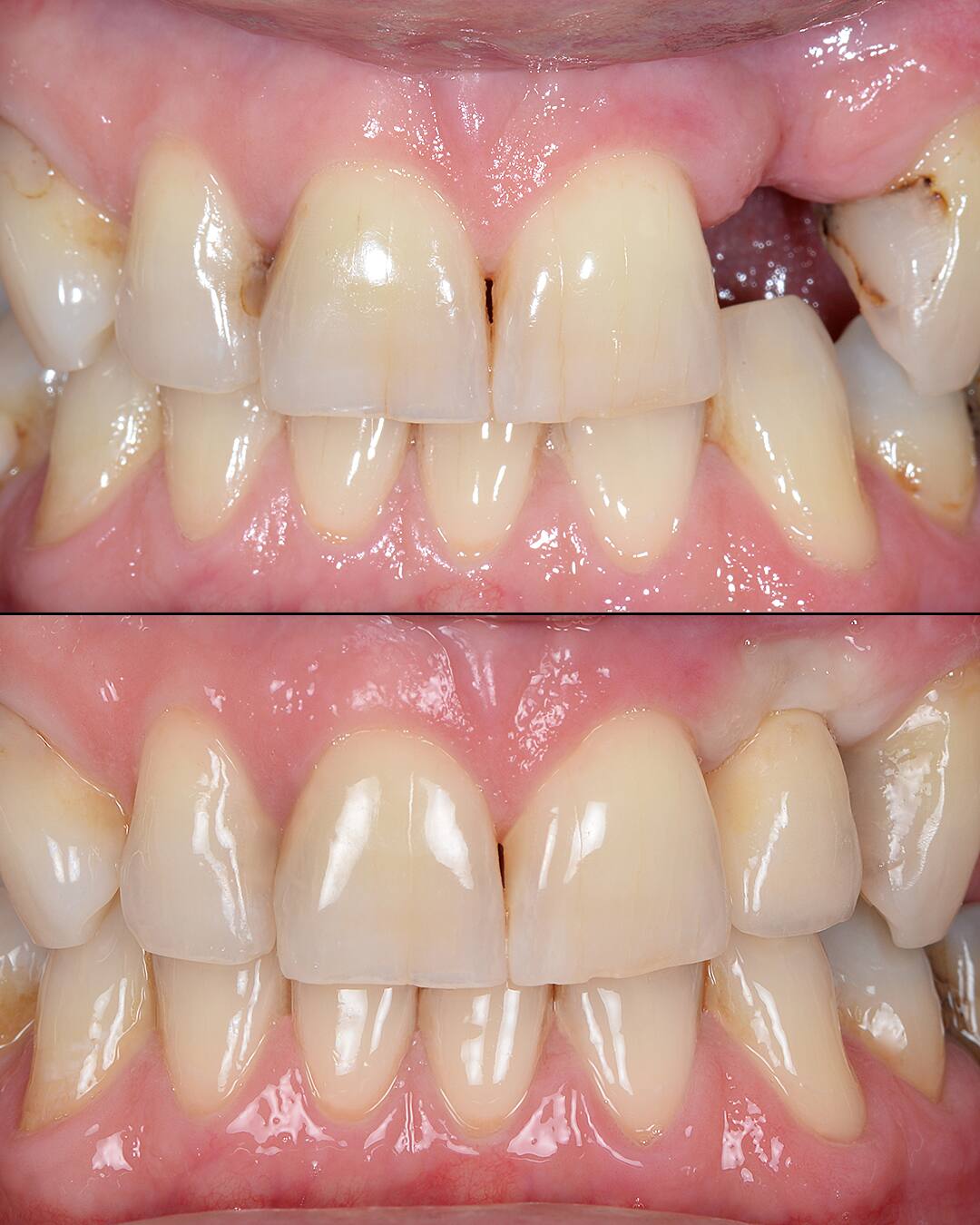
Missing a front tooth
The aesthetic zone — where appearance matters most. An implant crown is custom-shaded to match your surrounding teeth. The implant itself is invisible below the gum line.
What this looks likeFor adults missing one tooth, facing extraction, or looking to replace an old bridge. Provided by AHPRA-registered dentists across 13 clinic locations in Western Australia, Queensland, Victoria and New South Wales.
AHPRA-registered dentists · 15,000+ implants placed by our group
Call 1300 694 675The next step is a free, no-obligation consultation with an AHPRA-registered dentist at your nearest MID clinic. We'll take 2D X-rays, discuss your situation, and give you a personalised treatment plan at no cost.
Book my free consultation →Cumulative figures across the group as at April 2026. All practitioners hold current AHPRA registration. Individual clinical experiences and outcomes vary. Treatment suitability is determined at consultation.
A single dental implant at MID starts from $3,999 — including the implant, the abutment, and the crown. The final price depends on your clinical situation. We provide a full written quote at your consultation before any treatment begins.
Includes the implant, abutment, and crown. Final cost is determined at your consultation and confirmed in a written quote.
If you choose to use a third-party payment platform, we accept the providers listed. These are independent services — approval, fees, and terms are set by each provider directly. Speak with them to assess suitability.
 Independent third-party provider. Approval and terms set by Humm.
 Independent third-party provider. Approval and terms set by Afterpay.
 Independent third-party provider. Approval and terms set by TLC.
Check your level of cover for dental implants with your fund directly. We can provide a HICAPS quote at your consultation.
A single dental implant is one of several options for replacing one missing tooth — alongside a bridge, a partial denture, or leaving the gap. The right choice depends on your clinical situation, your priorities, and the clinician's assessment. Final suitability is determined at consultation.
The aesthetic zone — where appearance matters most. An implant crown is custom-shaded to match your surrounding teeth. The implant itself is invisible below the gum line.
What this looks like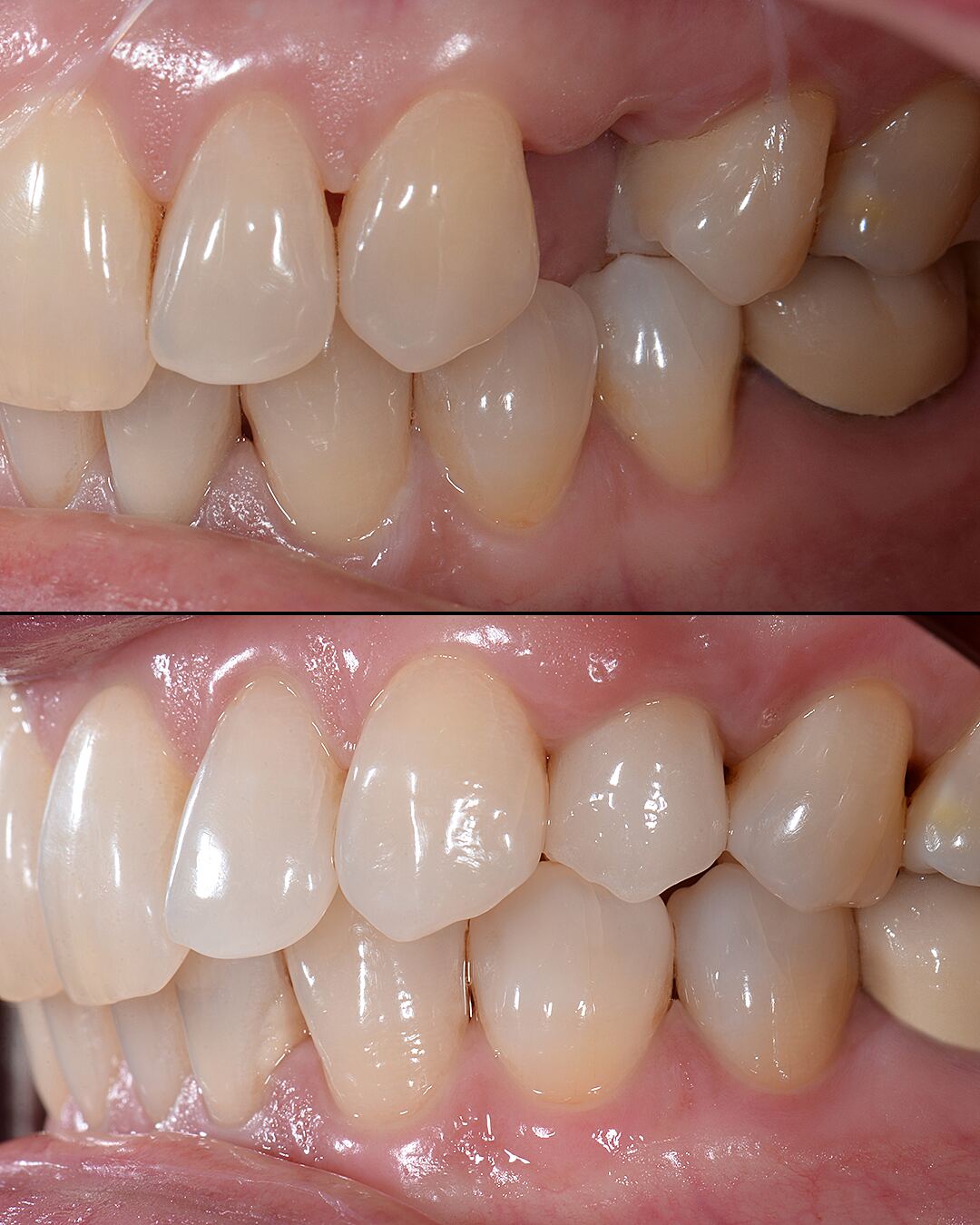
Chewing function and preventing surrounding teeth from drifting into the gap. Molars take the most pressure when you eat — an implant handles that load the way a natural tooth did.
How it restores chewing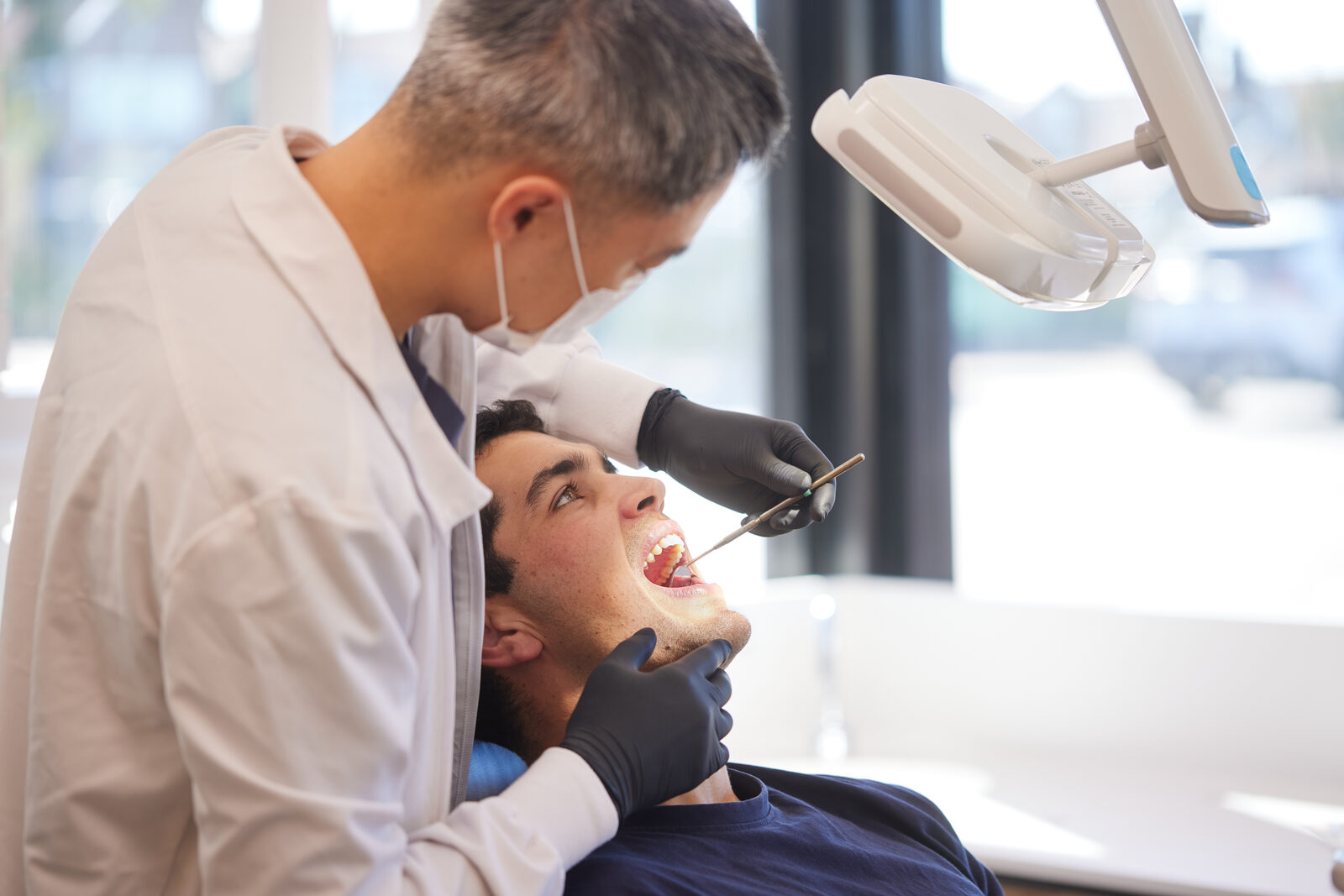
Planning ahead means better outcomes. In some cases, the implant can be placed at the same appointment as the extraction — avoiding a long gap and preserving the surrounding bone.
Talk about same-day implants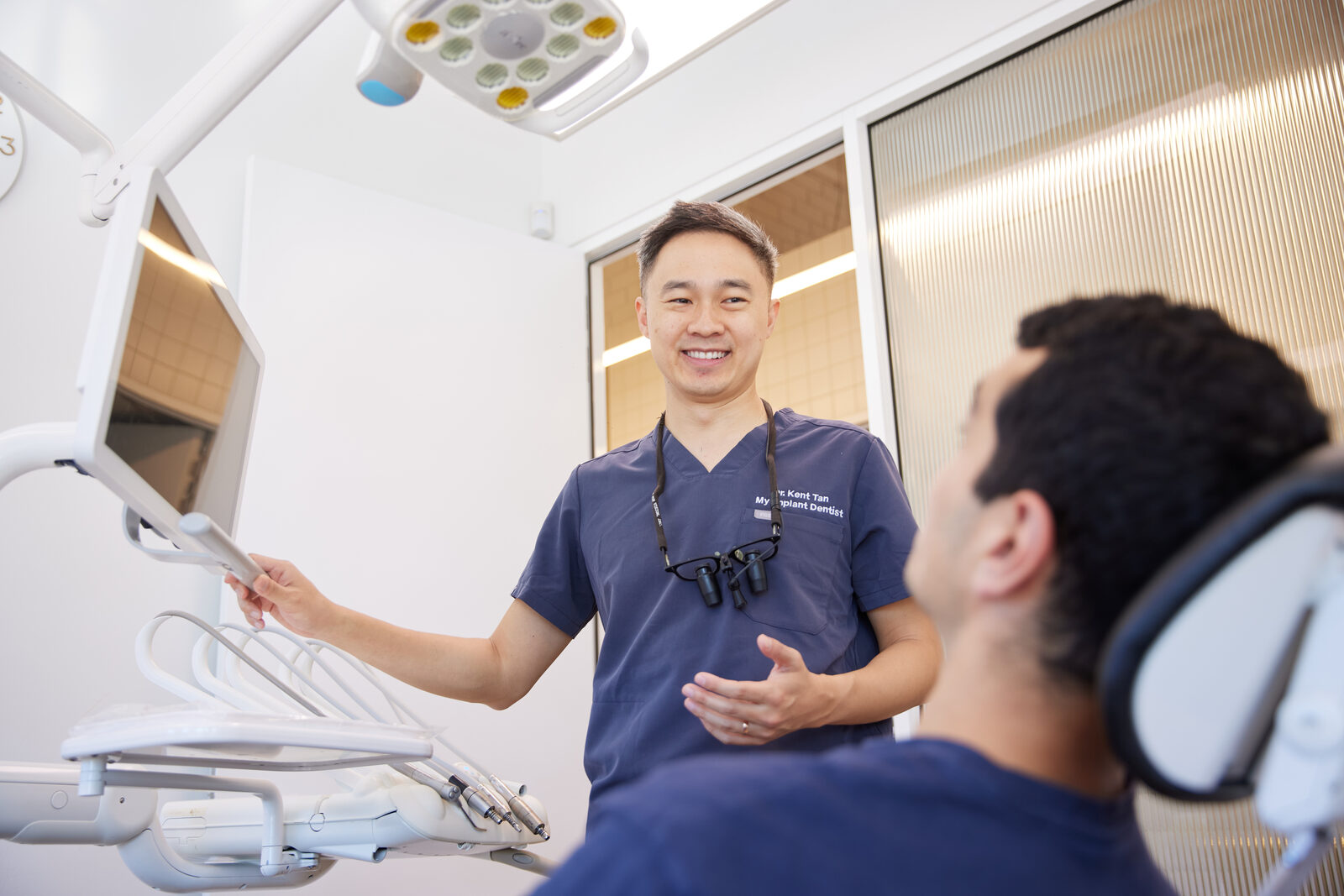
When a bridge has reached the end of its life (typically 10–15 years), an implant is often the better next step — it doesn't require grinding the adjacent healthy teeth, and it preserves the underlying bone.
Bridge vs implant — how they compareClinical evidence suggests that an unreplaced tooth can, over time, affect surrounding teeth and jaw bone. Individual outcomes vary significantly — your dentist will assess your specific clinical situation at consultation.
A tooth root stimulates the jaw bone as you chew. When the root is gone, that stimulation stops — and over time the bone in that spot may gradually reduce. The rate and extent of change vary between individuals.
Teeth either side of a gap can, over time, tilt towards the space. The tooth above or below may also move. Whether this happens — and how quickly — depends on the individual.
Other teeth can end up carrying more of the chewing load. Over a long enough period this may contribute to wear or other changes — but individual factors (bite, diet, oral hygiene, overall health) all play a role.
The information above is general educational content, not a personalised clinical assessment. Whether any of these changes would affect you — and how significantly — is determined by your clinical situation and assessed at consultation.
Two of the most common options for replacing a single tooth. Each has different characteristics. Your dentist will discuss what's clinically suitable for you at your free consultation — this information is general only.
*General information based on published clinical evidence. Individual outcomes depend on your clinical situation, oral hygiene, and general health. Bridge cost range is an indicative market figure. Your actual treatment options and costs are determined at consultation and confirmed in writing.
A single implant journey typically spans 4–6 months from first consult to final crown. Here's what happens at each stage.
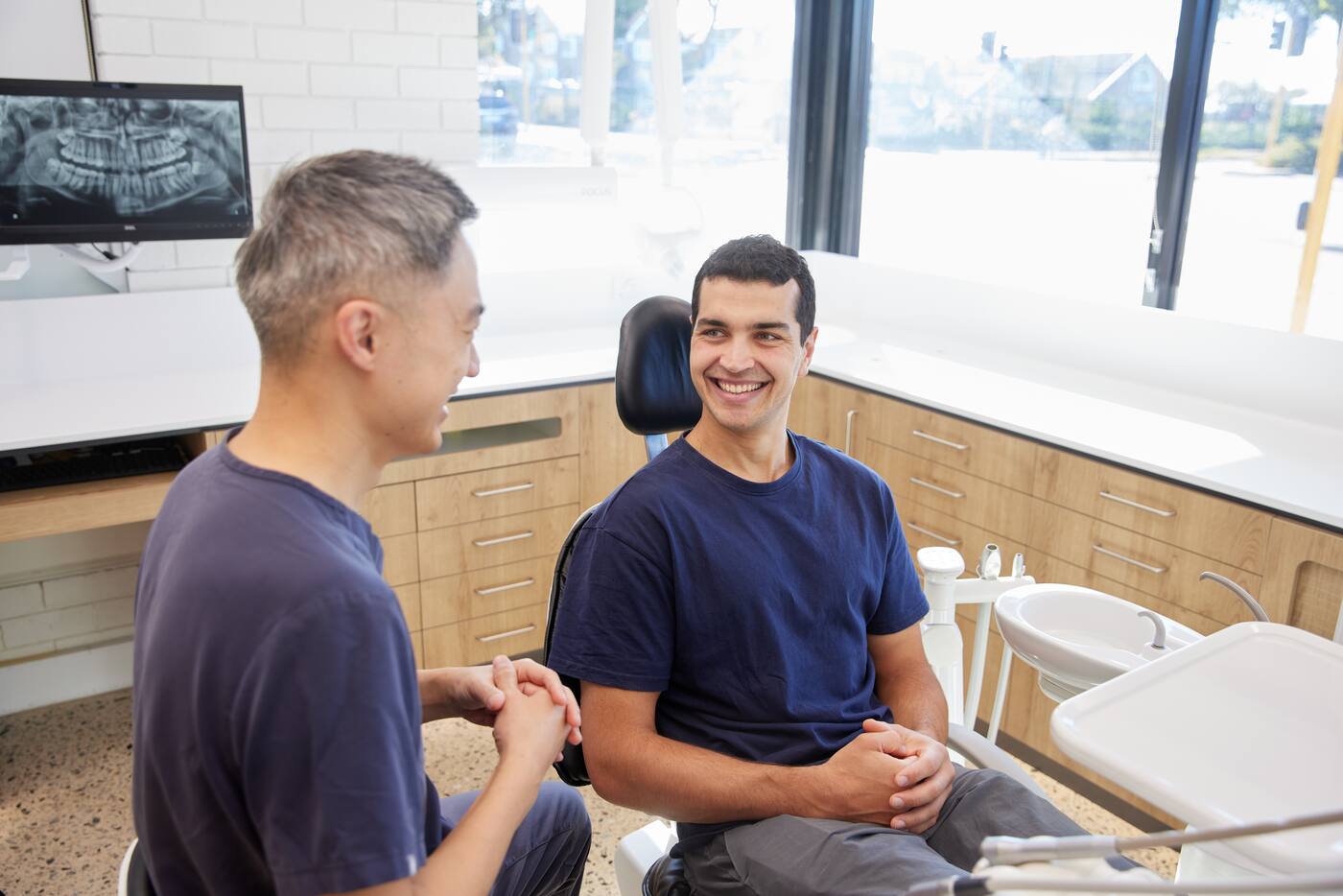
A free, 30–60 minute appointment with an AHPRA-registered dentist. We take 2D X-rays, review your situation, and give you a personalised treatment plan. No cost, no obligation to proceed.
If you decide to proceed, a subsequent paid diagnostics appointment is booked. This includes 3D CT imaging and detailed clinical planning — the information we need to do the surgery safely and precisely.
A single 60–90 minute appointment. Local anaesthetic is standard; IV sedation is available on request. If a tooth needs to come out first, it's typically done at the same visit. You go home the same day.
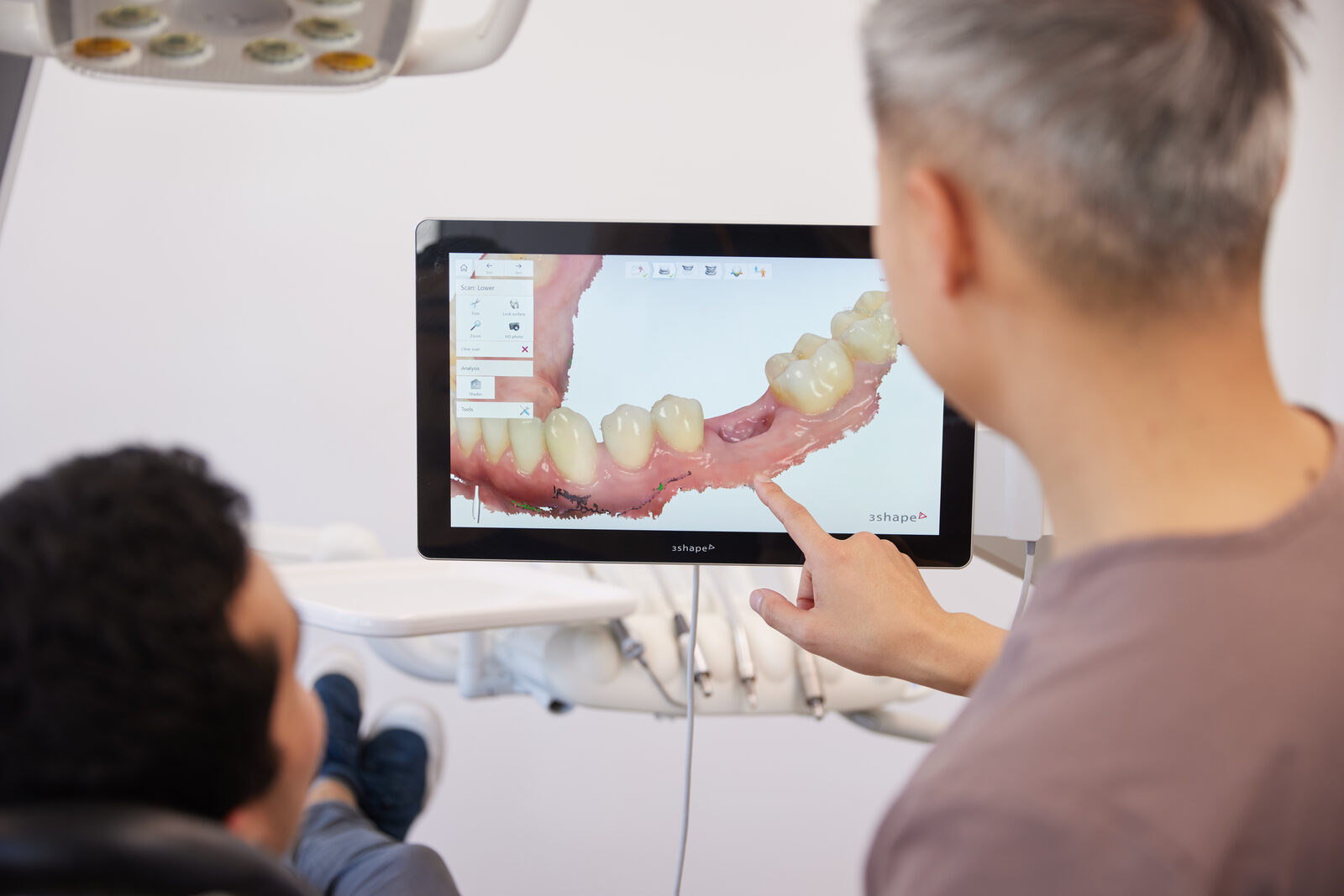
The implant integrates with your jaw bone — this is what gives the final tooth its strength and longevity. You wear a temporary crown or leave the site alone depending on where the implant is. Most patients return to normal eating within a week.
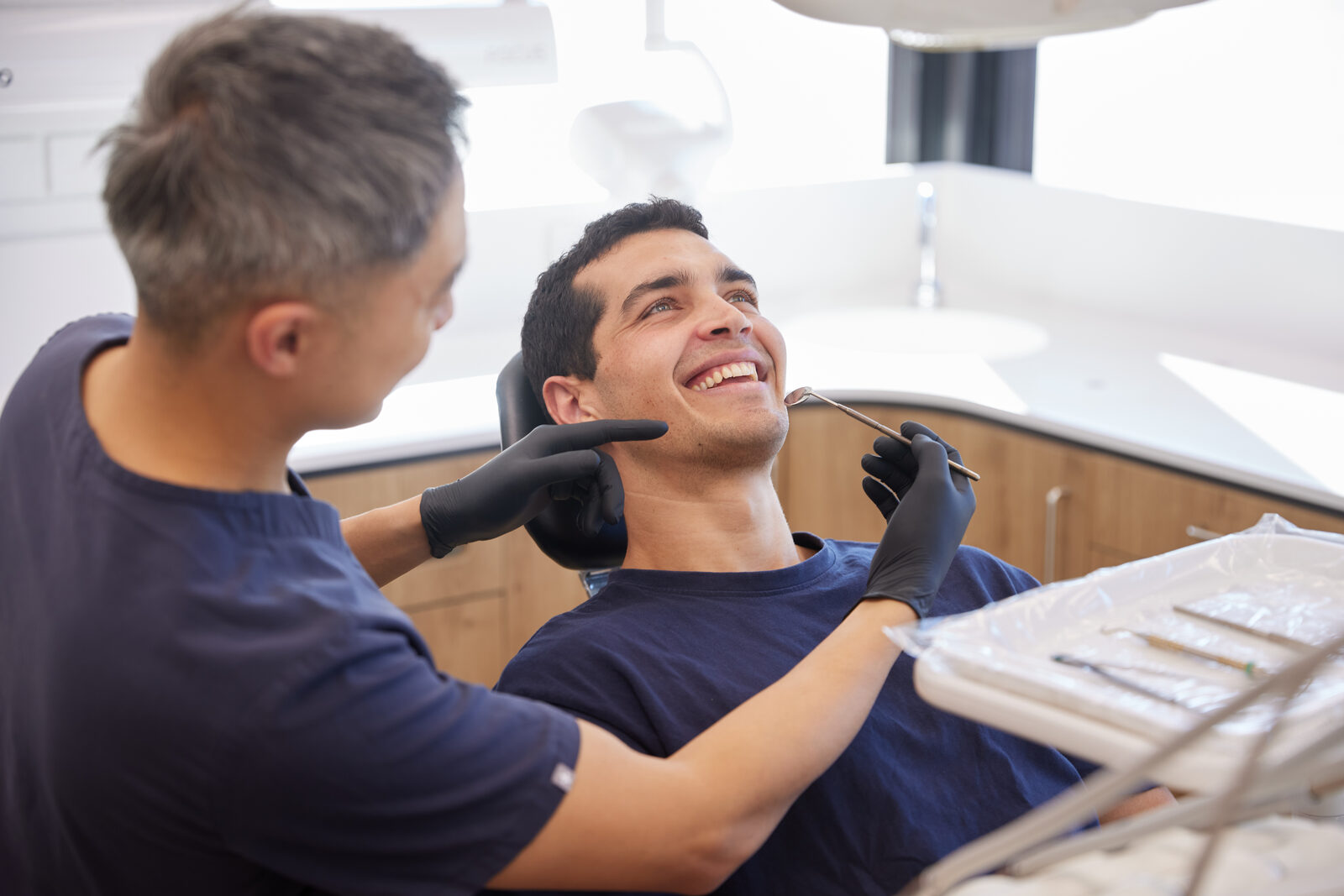
Once the implant has integrated, we take final impressions and your custom crown is made. The crown is shaded to match your surrounding teeth. Fitting is a single appointment.
Thirteen clinics across WA, QLD, VIC and NSW — six in Perth metro, four in Brisbane, one in Melbourne (Surrey Hills), one in Sydney (Roselands), and one in regional WA (Karratha). All treatment is provided by AHPRA-registered dentists.
A complimentary consultation with an AHPRA-registered dentist is the next step to determining whether a single implant may be suitable for you. No cost, no pressure, no commitment.

We'll confirm your appointment within one business day.
We'll confirm your appointment within one business day. In the meantime, check your email for what to expect at your consultation.